

How to Handle Negative Reviews The Right Way (+ Examples)


A new review notification pops up. You open it, hoping for five stars. Instead, it’s one star and a paragraph about everything that went wrong. Maybe you feel angry, or embarrassed, or both. Your first instinct might be to argue back, delete it, or pretend it isn’t there.
None of those reactions helps. And how you handle negative reviews from here decides whether one unhappy customer quietly drives away future buyers, or becomes proof that your business actually listens.
Here is the part most owners miss. A bad review is public, which means your response is public too. Future customers are reading it. They are not just judging the complaint. They are judging you.
This guide shows you exactly what to do, what to say, and how to turn a negative review into something that builds trust instead of breaking it.
TL;DR:
- Negative reviews don’t hurt your business; ignoring them does. The right approach: pause, verify the facts, reply within a week, acknowledge the customer’s experience, move details offline, then follow up.
- A profile of nothing but five stars looks fake. 53% of shoppers want to see a mix of good and bad reviews, and products at 4.2 to 4.5 stars often outsell flawless 5.0 ones.
- The real mistake is leaving a review unanswered. An ignored complaint tells future buyers you either did not notice or did not care.
- Handle every negative review with the same steps: pause, verify what happened, reply within a week, acknowledge the experience, move the details offline, then follow up.
- Match your reply to the reason behind the review. Genuine complaints, expectation gaps, venting, fakes, and misunderstandings each call for a different tone.
- You cannot delete a fake review yourself on Google, Yelp, or Facebook, but you can report ones that break platform rules and back it up with evidence.
- On your own WordPress site, you decide what shows. A plugin like WP Social Ninja filters spam and one-line junk into a moderation queue while genuine reviews publish on their own, without hiding fair criticism.
- Negative reviews can become growth opportunities when you fix the underlying pattern. Domino’s used harsh feedback to overhaul its recipe and grew same-store sales 14.3%.
Are negative reviews actually bad for your business?
The answer is no. A page filled with nothing but five-star ratings makes shoppers suspicious, not impressed. Most people want to see a few negative reviews, because that is how they tell real feedback from staged praise. The damage comes from how you respond, not the review itself.
Buyers have learned to scroll straight to the low ratings. They read the one and two-star notes to find out what could go wrong before they spend money.
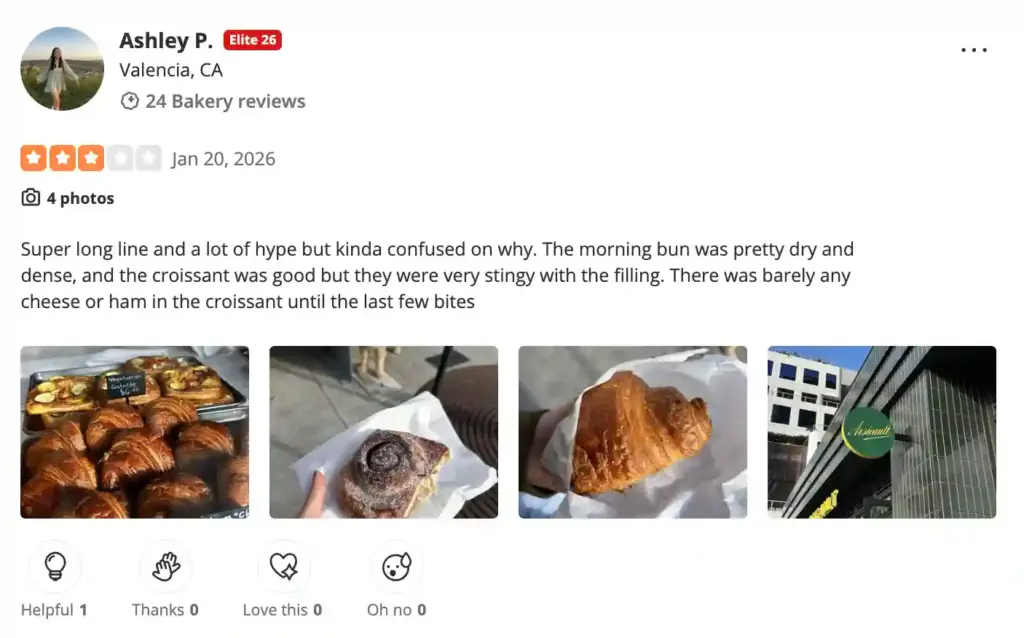
A profile with zero criticism reads as manipulated. 53% of consumers say they want to see a mix of positive and negative reviews before buying. And products rated between 4.2 and 4.5 stars tend to sell better than those at a perfect 5.0, because they signal that the reviews are real.
How to handle negative reviews step by step
The best way to handle negative reviews is to check the facts before you type, and reply quickly and calmly in public. Your goal is not to win the argument. It is to show every future reader that you handle problems.
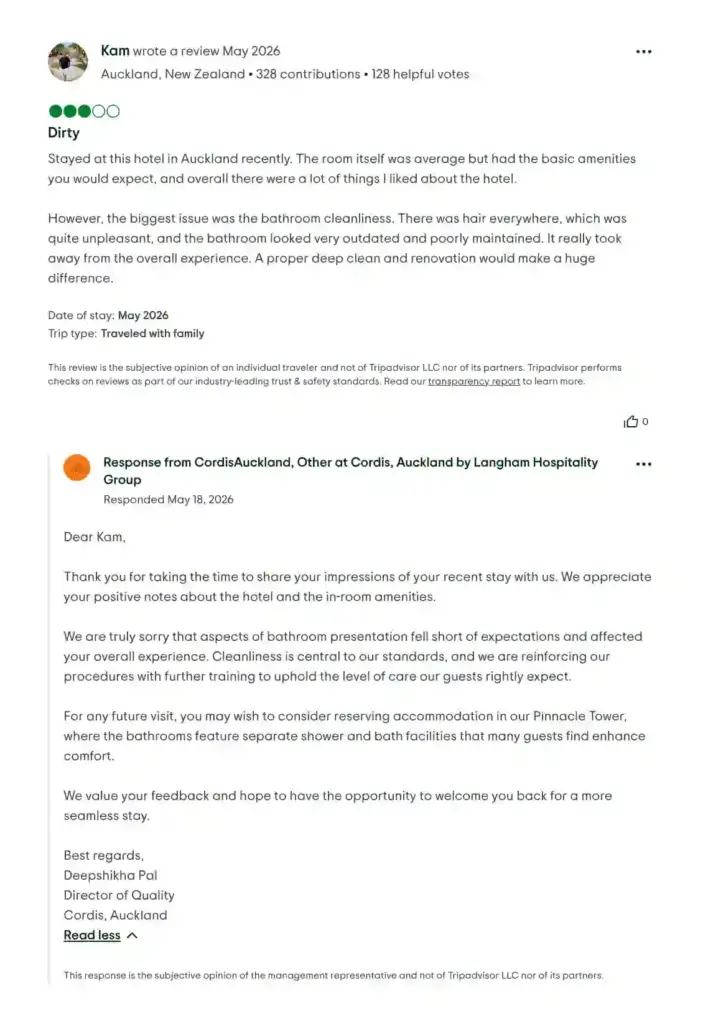
Here is the process that works across Google, Facebook, Yelp, and any other platform:
- Pause before you reply: Read the review twice. Your first reaction is emotional, and a defensive reply does more damage than the review.
- Verify what happened: Check records, ask your team, confirm the order or visit. A reply built on the wrong facts makes things worse.
- Respond quickly: 81% of consumers expect a reply within a week, and many expect it sooner. A fast, human response signals you are paying attention.
- Acknowledge the experience: You are not admitting full fault. You are showing that you take the person seriously.
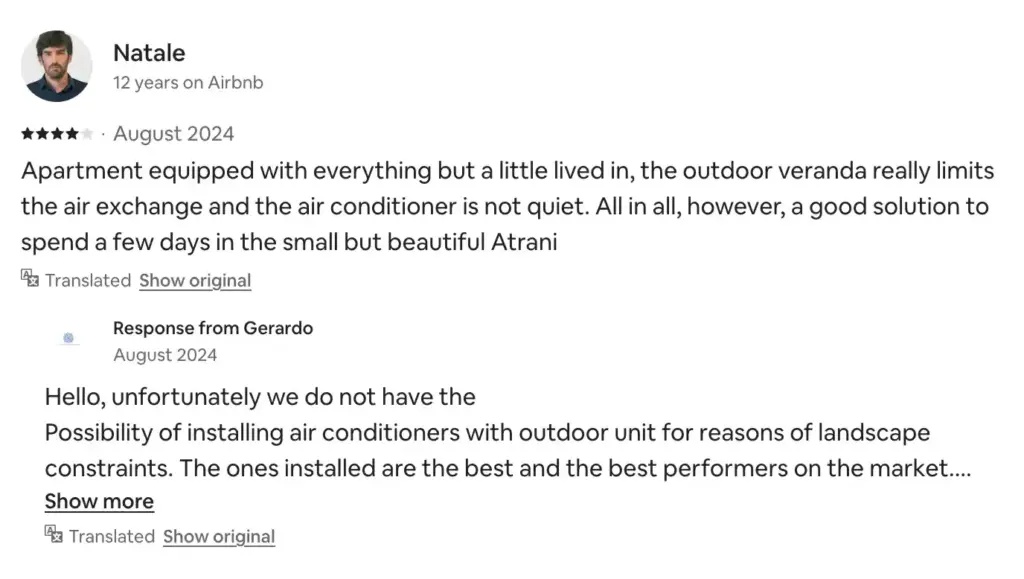
- Move it offline. Offer a direct email or phone line to sort out specifics. This keeps the public thread short and gets the real fix done privately.
- Follow up and close the loop. Once resolved, a short follow-up can turn a critic into a repeat customer, and sometimes into an updated review.
Why customers leave negative reviews
Most negative reviews fall into five buckets. Knowing how to handle negative business reviews starts with spotting which bucket you are dealing with, because that tells you how to reply.
Here are the five pain points that lead to negative reviews:
- Genuine complaint: something actually went wrong.
- Expectation gap: the product or service was fine, but not what they had pictured.
- Venting: a bad day as much as a bad experience.
- Fake or competitor: vague, off-topic, or from someone who was never a customer.
- Misunderstanding: a policy or detail they missed.

Get exclusive social media marketing tips and tutorials in your inbox!
Response templates for common situations
Use these as starting points, not scripts. Swap in the customer’s name, the specific issue, and a real next step. A reply that sounds copied is almost as bad as no reply at all, so edit every one to fit the situation.
- For a genuine complaint: “Hi [Name], I am sorry your [order/visit] did not go the way it should have. You are right about [specific issue], and that is on us. I would like to make it right, so please email me at [email], and I will sort this out personally. Thank you for telling us.”
- For an expectation gap: “Hi [Name], thank you for the honest feedback. It sounds like [product/service] did not match what you expected around [detail], and I get why that was frustrating. I would love to walk you through [solution]. You can reach me directly at [email].”
- For a fake or suspicious review: “We take every piece of feedback seriously, but we have no record of a [purchase/visit] matching this. If you have been a customer, please contact us at [email] so we can look into it. If this was posted in error, we would appreciate it being removed.”
- For an angry or emotional review: “Hi [Name], I hear you, and I am sorry this left you upset. That is not the experience we want anyone to have. I would like to understand what happened and fix it. Could you email me at [email] so we can talk it through?”
- For a misunderstanding: “Hi [Name], thanks for flagging this. To clear things up, [brief correction or policy]. I am sorry if that was not obvious, and I am happy to help if you still have questions. Reach me at [email].”
88% of consumers would use a business that replies to both positive and negative reviews, against 47% for a business that ignores reviews entirely (Source: BrightLocal). Replies are read far more than you think.
Bonus Tips: You can go through our study on positive review examples so that you can share templates with customers when you have handled their situation professionally.
What to do about fake or fraudulent reviews
Fake reviews are common, and you do have options. You cannot delete a review yourself on Google, Yelp, or Facebook, but you can report ones that break their rules and ask the platform to remove them. On your own site, you control what appears.
To report a fake review:
- On Google Business Profile, flag the review and submit a removal request explaining which policy it breaks.
- On Yelp and Facebook, use the report option on the review and add any proof that the person was never a customer.
- Keep evidence. Screenshots, order records, and timelines help the platform decide.
Removal is never guaranteed and can take time. While you wait, a calm public reply protects you, because readers can see you responded reasonably to something unfair.
The reviews on your own website are a different matter, because there you have full control over what appears before the public and what doesn’t. If your business site is built with WordPress, dedicated review plugins such as WP Social Ninja can make this job much easier.
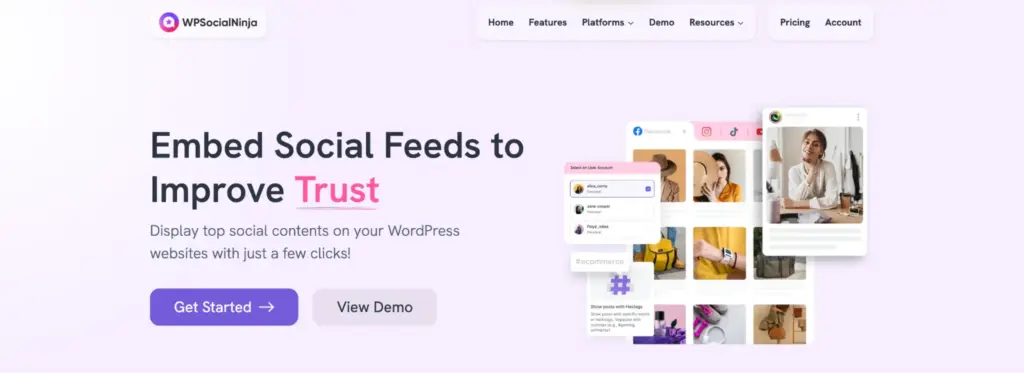
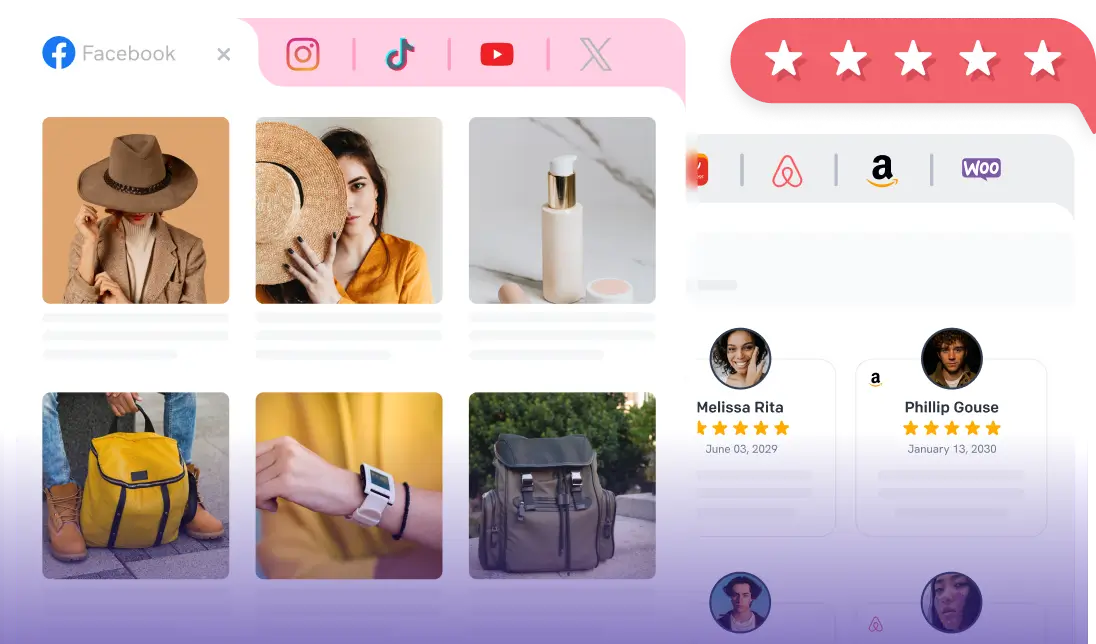
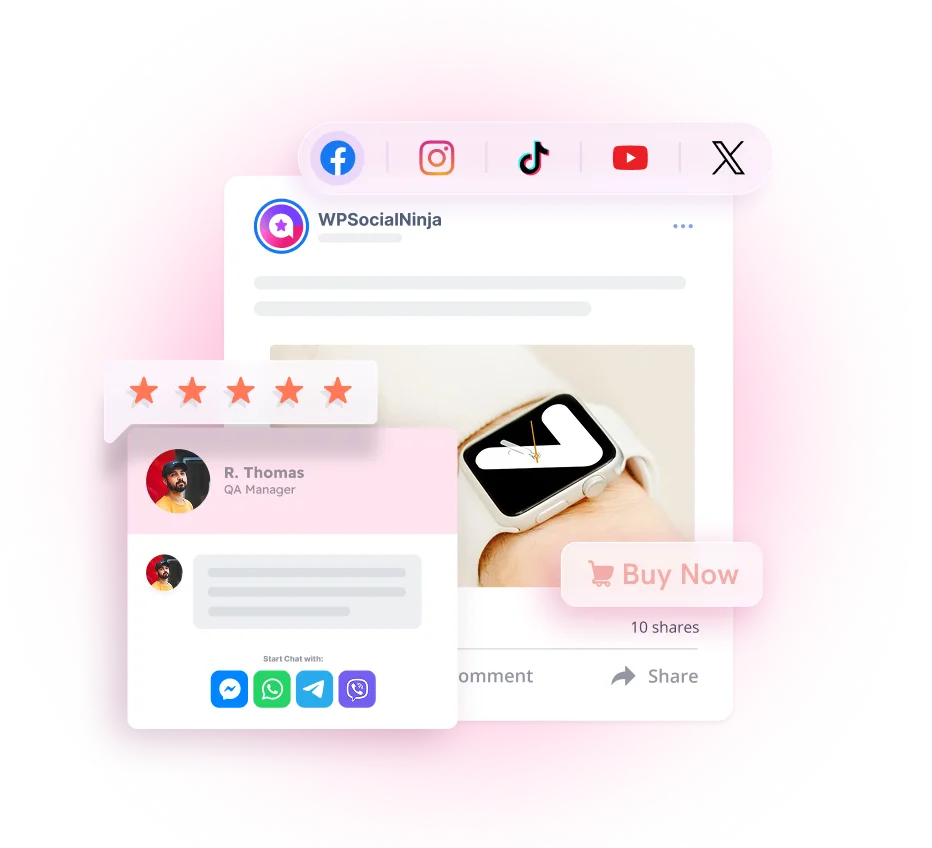
WP Social Ninja can pull your customer feedback from Google, Facebook, and other review platforms onto your site and filter out the unwanted reviews from your visitors.
Its signature auto-publish rules feature provides an extra layer of safety. It lets you set conditions like star rating and spammy words so that the real reviews go live on their own, while spam and empty one-line entries wait in a moderation queue for you to approve.
Win your customers’ hearts with exceptional features
Discover how WP Social Ninja can assist you in designing outstanding customer experiences.
How can negative reviews turn into growth?
Negative reviews turn into growth when you act on the pattern behind them instead of reacting to each one. Fix the root cause, tell customers what changed, and your next batch of reviews climbs on its own.
In 2009, Domino’s faced blunt public feedback that its pizza tasted like cardboard. Instead of hiding from it, Domino’s reformulated the recipe and built its Pizza Turnaround campaign around the complaints. Domestic same-store sales rose 14.3% the next quarter, a record for the brand at the time.
The pattern holds beyond big brands. When hotels started replying to reviews, their ratings rose 0.12 stars, and review volume grew 12%. A one-star rise in an independent restaurant’s Yelp rating also lifts revenue 5 to 9% (Luca, Harvard Business School, 2016).
That is how to handle negative online reviews for a business effectively. Spot the repeated complaint, fix it, reply to the people who raised it, and keep asking happy customers for reviews so your rating recovers faster than you expect.
Pro Tips: For new businesses, it’s often very difficult to get reviews in the first place. Explore our detailed guide to asking for reviews professionally so your efforts are channelled in the right direction.
Make your next bad review work for you
A negative review feels personal in the moment. But you now have a process: pause, check the facts, reply fast, fix it offline, and follow up. Handled this way, the review that stung becomes proof that your business shows up when things go wrong.
Remember what the data showed. Replies get read, a few honest negatives build more trust than a wall of five stars, and the businesses that act on the pattern behind their reviews are the ones that grow. None of that requires perfection. It requires showing up.
The next bad review will come. When it does, you will not panic or reach for the delete button. You will answer it, fix what is broken, and let every future customer watch you do it. That is how a one-star review stops being a threat and starts working in your favor.
Frequently Asked Questions (FAQs)
How do you handle negative customer reviews when the customer is the one in the wrong?
Stay factual and correct the record in public without calling the person a liar. Lay out what happened in a line or two, then offer to sort it out offline. Readers can tell when a business keeps its composure against an unfair complaint, and that restraint usually earns more trust than winning the argument.
How do you handle negative product reviews when the item worked fine for everyone else?
Treat it as a possible one-off, not proof that your product is bad. Ask what went wrong, offer a replacement or refund, and check whether a faulty batch or a damaged delivery caused it. A single low product rating with a helpful reply under it rarely scares buyers; an ignored one does.
How do you handle negative reviews in e-commerce when the complaint is about shipping, not your product?
Acknowledge the frustration, even though the carrier caused it, because the customer lived through it in your store. Say what you are doing to prevent repeat delays and offer to track or replace the order. Shoppers care that you own the whole experience, not whose fault it technically was.
Can you handle negative business reviews by paying to get them removed?
No, and you should not try. Paying for removal or buying fake positive reviews breaks Google and Yelp policies and can get your profile penalized. The dependable route is to report reviews that break the rules, reply well to the rest, and earn fresh positive reviews to balance the picture.
Will responding to a negative review just draw more attention to it?
A short, calm reply does the opposite. It reassures the many people who would have seen the review anyway, and it shows you engage instead of hiding. The review is already public; your response is the part that changes how it reads.
Subscribe To Get
Weekly Email Newsletter
Connect, Customize, and Display Social Feeds, Reviews, and Chat widgets







Leave a Reply